Earthquake Geology in Greece
  • Home
  • Who we are
    • Spyros Pavlides >
      • Books
      • Papers
      • Conference Proceedings
      • Editor
      • Abstracts
      • Other
    • Alexandros Chatzipetros >
      • Papers
      • Conference Proceedings
      • Editor
      • Abstracts
    • Riccardo Caputo >
      • Papers
      • Proceedings / Extended abstracts
      • Editor
      • Abstracts
    • George Papathanassiou >
      • Papers
      • Conference Proceedings
    • Sotiris Valkaniotis >
      • Publications
    • Sotiris Sboras
    • Stratos Delogkos
    • Anastasia Michailidou >
      • Publications
    • Anna Zervopoulou >
      • Publications
  • What we do
    • Structural Geology
    • Active Tectonics
    • Paleoseismology
    • Fault Analysis
    • Liquefaction
    • Seismic Hazard Assessment
    • Seismogenic sources in Greece
    • Earth Science Teaching
  • Our projects
  • Database of active faults
  • Blog
  • Contact

Special issue focusing on Emilia seismic sequence

17/10/2012

Comments

 
Annals of Geophysics has just published its latest issue focusing on the Emilia seismic sequence May - June 2012
http://www.annalsofgeophysics.eu/index.php/annals.

Two of the published articles have been prepared and submitted by members of our group

http://www.annalsofgeophysics.eu/index.php/annals/article/view/6148

http://www.annalsofgeophysics.eu/index.php/annals/article/view/6147
Comments

New paleoseismological trench at Gyrtoni, Larisa (north-central Greece)

7/10/2012

Comments

 
A new trench in Gyrtoni, Larisa, area has yielded good results in relation to the recent activity of Gyrtoni fault. This fault is located at the northernmost part of Thessaly plain and forms a well defined scarp. The initial preliminary interpretation of the trench wall structure shows indications of recent fault reactivations (paleoearthquakes). Sampling for OSL and C14 dating was performed, the results of which will help towards understanding the behaviour of this active fault. Seismic hazard in relation to the large city of Larisa, located just 10 km south of the fault, will also be enhanced.

This fault has been mapped in detail by Riccardo Caputo (1990), while subsequent research using geophysical methods confirmed the location of the fault, as well as its significant displacement.

Members of the research team for this trench are:
  • Ioannis Koukouvelas
  • Evangelos Kremastas
  • Alexandros Chatzipetros
  • Georgios Papathanasiou
  • Spyros Pavlides
  • Ioannis Tsodoulos
  • Sotiris Valkaniotis
  • Riccardo Caputo
Picture
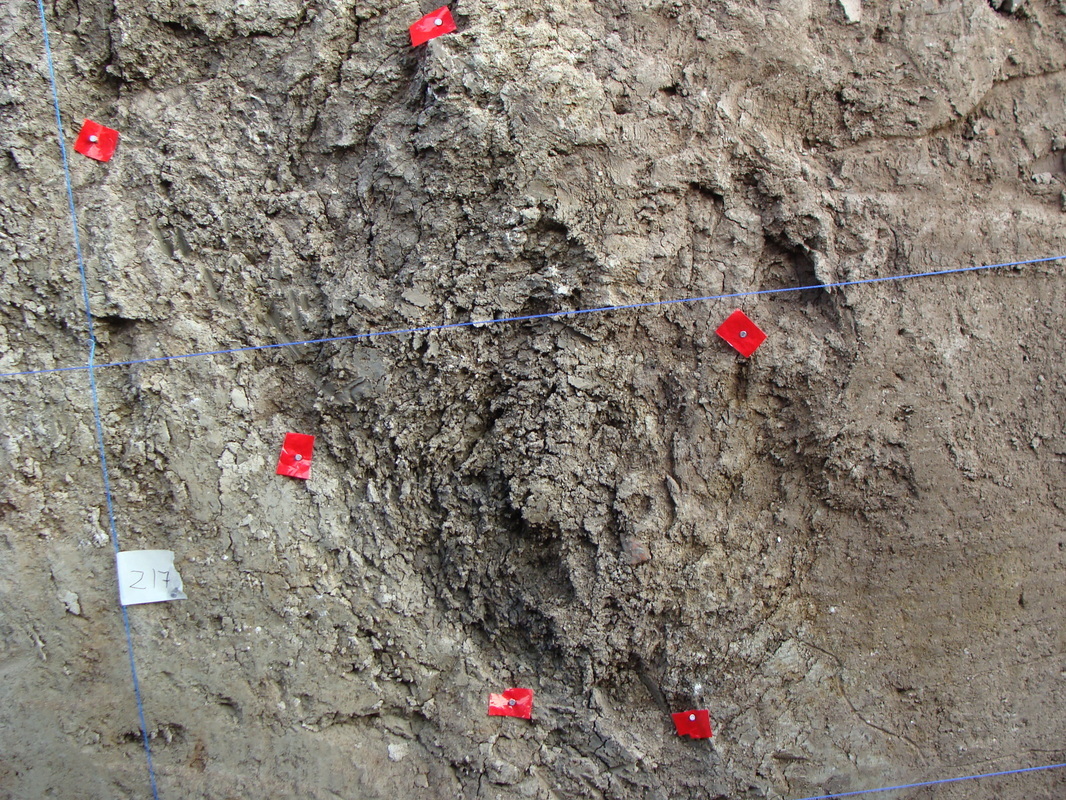
Detail of the fault and a colluvial wedge, which, according to a preliminary interpretation, is a result of a paleoearthquake.
Picture
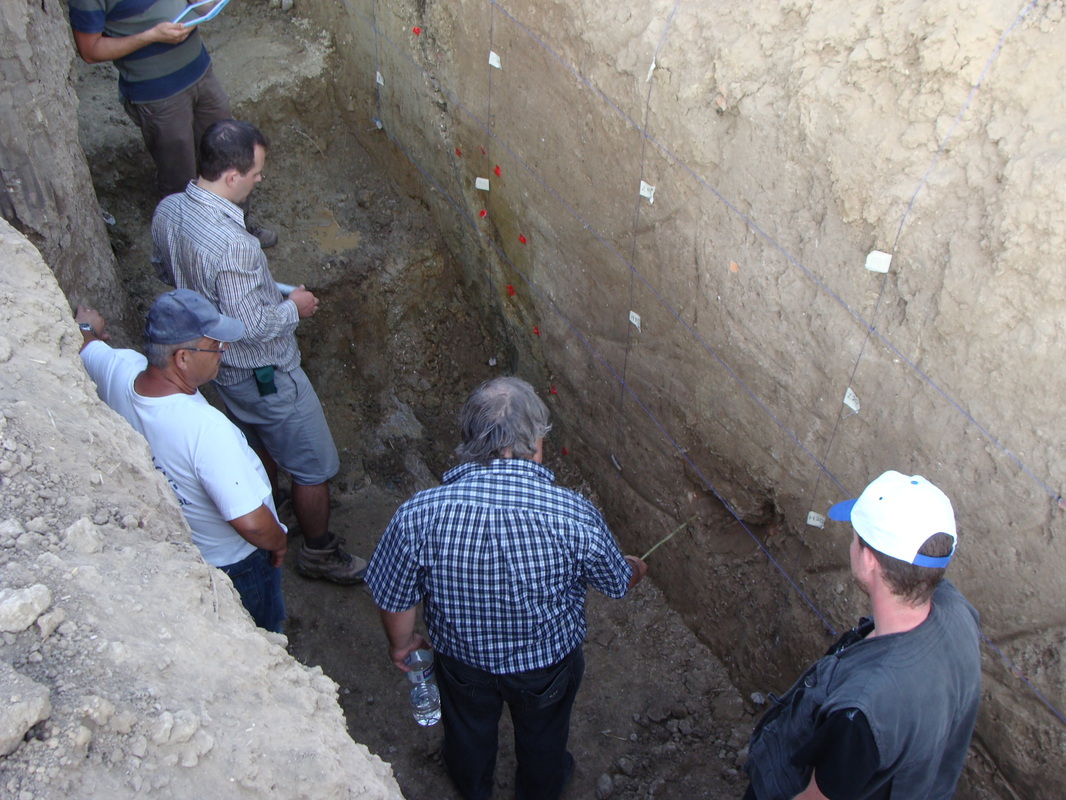
Members of the research team are discussing the findings.
Picture
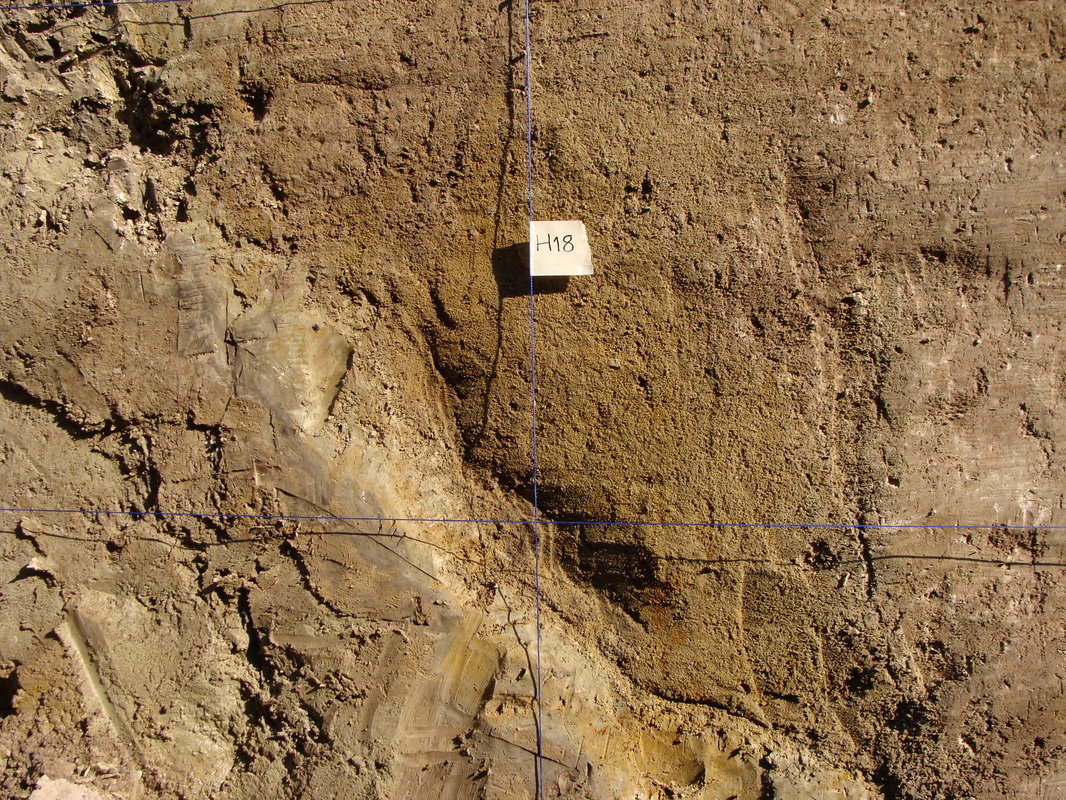
The fault zone widens at the uppermost part of the trench and causes shattering of a specific layer, due to the last paleoevent.
Picture
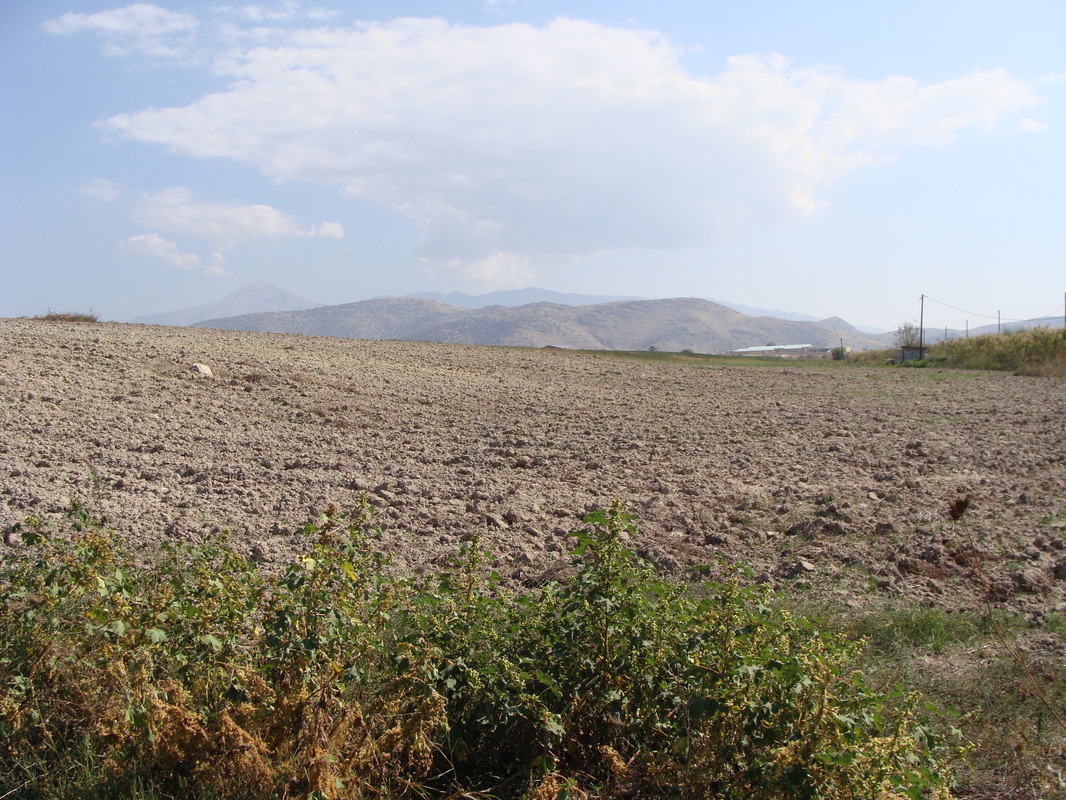
The gentle scarp of Gyrtoni fault (view towards the East).
Comments

    EQ.GEO.GR blog

    News, facts and discussions related to earthquake geology research.

    Archives

    March 2021
    November 2020
    July 2017
    June 2017
    November 2016
    September 2016
    May 2014
    March 2014
    February 2014
    September 2013
    May 2013
    November 2012
    October 2012
    July 2012
    June 2012
    May 2012
    April 2012
    February 2012
    October 2011

    Categories

    All
    Active Faults
    Aegean
    Gre.Da.S.S.
    Greece
    Lesvos
    Paleoseismology
    Seismic Hazard

    RSS Feed

Powered by Create your own unique website with customizable templates.